
Mind-Body Skills Group
Mind-Body Skills Group (MBSC): Resilience, Focus, and Presence for High-Stakes Conversations (8-Week Live Series) This live, virtual Mind-Body Skills Group is an experiential, research-informed program that teaches practical mind-body techniques to strengthen focus, emotional balance, and resilience. Participants learn skills to manage stress, navigate life transitions, and respond more thoughtfully under pressure—in both personal and professional settings. For mediators, attorneys, and other conflict-facing professionals, these skills directly support the core competencies that improve mediation quality: steadier presence, reduced reactivity, clearer thinking in difficult moments, and a stronger ability to keep sessions constructive when emotions rise. For participants outside legal and conflict work, the same tools apply to everyday stress, relationships, caregiving, leadership, and health-related challenges. Format and structure: - Live on Zoom, small group: 8–10 participants (max 10); - Schedule: 8 sessions, 2 hours each, on a set day/time; - Approach: didactic / experiential learning / practice / group support; - Techniques may include: meditation, autogenic training, breath work, guided imagery, self-expression, movement, and related practices; - Confidentiality: required; no recording/screengrabs; participate from a private space (standard safety exception if someone expresses intent to harm self/others); - Attendance: punctual attendance and participation in all sessions is expected (limited exceptions for illness/emergency); - Required pre-group interview: brief Zoom interview with the facilitator to confirm fit, answer questions, and test technology; - CLE: CLE credit will be pursued for eligible participants; Please contact heron@herondiana.com for alternative payment options.
- 5.0/5.0
- 0 Enrolled
- English

$795.00
This course includes
- Duration 16.0 hr
- Language English
- Next Start Date Not Available
Course Meeting Times
Course Description
Mind-Body Skills Group (MBSC) is a structured, participatory and supportive small-group learning experience designed to build practical self-regulation skills for real life: stress, illness, uncertainty, demanding relationships, and high-pressure work. Using a research-informed model of mind-body skill-building, participants practice techniques that strengthen the ability to remain focused, fair, and thoughtful—especially in moments that would normally trigger reactivity or shutdown.Each session integrates teaching, guided practice, and opportunities for reflection and connection in a warm, confidential online group environment. Sharing is encouraged but unforced; the emphasis is on learning skills you can apply immediately in your personal life and work life.
How this helps mediators, attorneys, and conflict professionals (without excluding others):
If your work involves difficult conversations—mediation, negotiation, client counseling, leadership, education, healthcare, human services, or community work—your nervous system is part of the process. When you can regulate yourself, you tend to regulate the room.
MBSC supports stronger performance in conflict settings by helping you:
- Stay grounded under emotional heat so you can slow escalation and keep parties engaged.
- Improve listening accuracy and neutrality by reducing internal “noise” and stress-driven bias.
- Choose interventions more intentionally (pacing, silence, reframing, agenda resets, caucus decisions) because you have more internal bandwidth.
- Manage difficult interactions more skillfully by noticing activation early and returning to calm more quickly.
- Recover faster after intense sessions which supports sustainability and reduces burnout.
At the same time, participants who are not in mediation or legal work benefit in highly practical ways: improved stress management, more consistent emotional steadiness, better focus, and a clearer ability to respond thoughtfully to everyday challenges at home and at work.
Participation requirements (important):
- Small group, confidential format: 8–10 participants; respect and confidentiality are required (standard safety exception if someone expresses intent to harm self/others);
- Privacy and no recording: participate from a private space; no photos, recordings, or screengrabs;
- Commitment: attendance and punctual participation across all eight sessions is expected (limited exceptions for illness/emergency);
- Zoom video participation is required;
- Required pre-group Zoom interview: used to confirm fit, test technology, and answer questions before final acceptance;
- CLE credit will be pursued for eligible participants (details provided prior to or during enrollment).
Mind-Body Skills Groups have been developed over the last 30 years according to a model created by The Center for Mind-Body Medicine founder and Executive Director, James S Gordon, MD, and Senior CMBM Faculty. We thank them for their expertise and willingness to share words and techniques within various classes and communities.
Please contact heron@herondiana.com for alternative payment options.
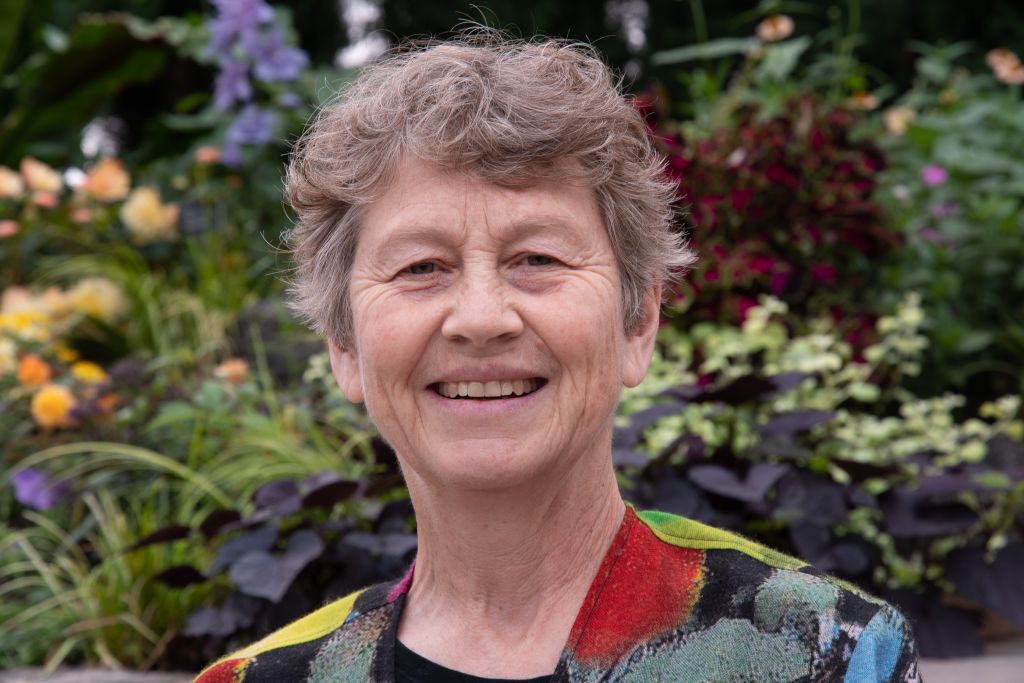
About Instructor
Heron is a trauma-informed, creative and respected teacher and trainer. She believes individuals thrive when they uncover the rich inner wisdom found within. She has been training and teaching since 1989 in many communities and workplaces. She became a mediator in 2001. She completed her Certification in Mind-Body Medicine from the Center for Mind-Body Medicine located in Washington, DC. in 2021.
- Email:heron@herondiana.com
- Phone:612.205.6080
- Web:herondiana.com
Our Student Reviews
5.0
Average Total Rating
Tobin Lay
February 9th 2026 at 12:35amReview on: Mind-Body Skills Group
Heron Diana is a wonderful trainer and brings a rare, high-impact combination to this Mind-Body Skills training: deep credibility as a conflict professional and real expertise in mind-body medicine. She’s a Minnesota Rule 114 Qualified Neutral with 20 years as a mediator, consultant, and coach, and she’s also certified in Mind-Body Medicine through the Center for Mind-Body Medicine. In practice, that means you’re learning these skills from someone who genuinely understands what conflict workers face—high emotion, competing truths, cultural dynamics, and the pressure to stay clear, fair, and effective when the room gets hot. I appreciate that Heron’s approach to teaching mind-body skills isn't just “nice self-care add-ons”—they’re framed as core professional capacity. Her work with multicultural groups in high conflict and her background coaching organizations in DEI B show up in the way she teaches: grounded, practical, and trauma-informed. This course is a chance for mediators, facilitators, lawyers, and other conflict professionals to build the exact internal skills that make our external tools work better—self-regulation, presence, and the ability to stay connected and intentional under stress—so we can listen more accurately, slow escalation, and respond with skill instead of physiology.